This post may contain affiliate links to items I love, and I am confident you will too! All opinions are my own, however, I may receive a small commission on purchases. As an Amazon Associate I earn from qualifying purchases. For any health advice I give on nutrition and weight loss, make sure you check with your doctor, as I am not a health professional.
Are you ready to start introducing solid foods to your baby? Is your baby showing signs of readiness by mastering that cute little pincer grasp? This is an exciting, messy, and sometimes stressful milestone; however, it can be a fun family mealtime experience.
The American Academy of Pediatrics has an online fact sheet with basic guidelines on when and how to introduce solid foods. Gill Rapley, the BLW pioneer, also has a website with a lot of helpful information, including links to recipe books and other resources.
In this article, we will dive into the benefits of baby-led weaning and suggest ways to introduce a variety of foods to your baby. Before getting started, the most important thing to remember is to speak to your child’s pediatrician before introducing solid foods for the first time.
All babies are different, so even if your friend started BLW foods with their 5-month-old baby, it does not mean your baby is ready. But once you get the ok from your baby’s healthcare provider, get ready for some laughs and messes.
What Is BLW
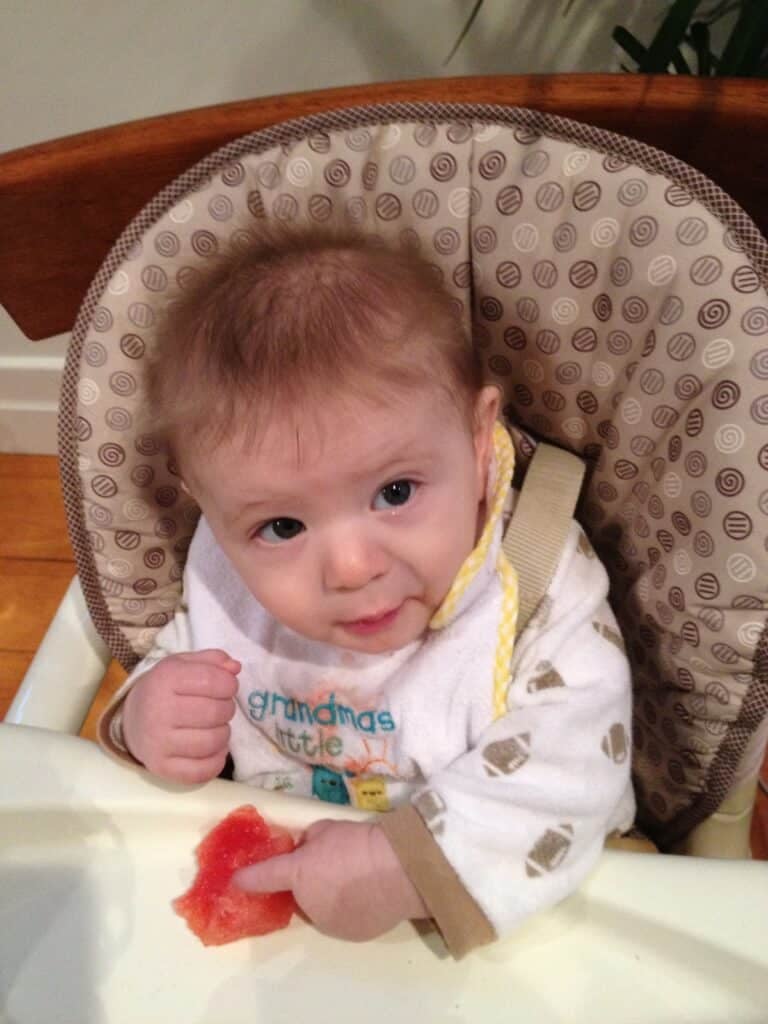
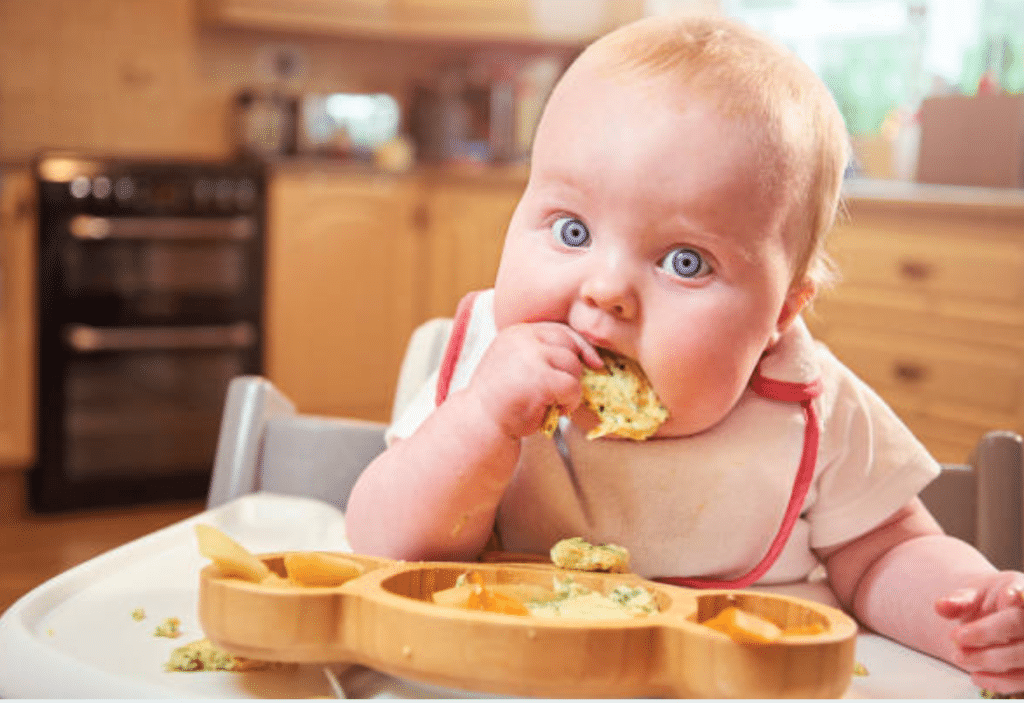
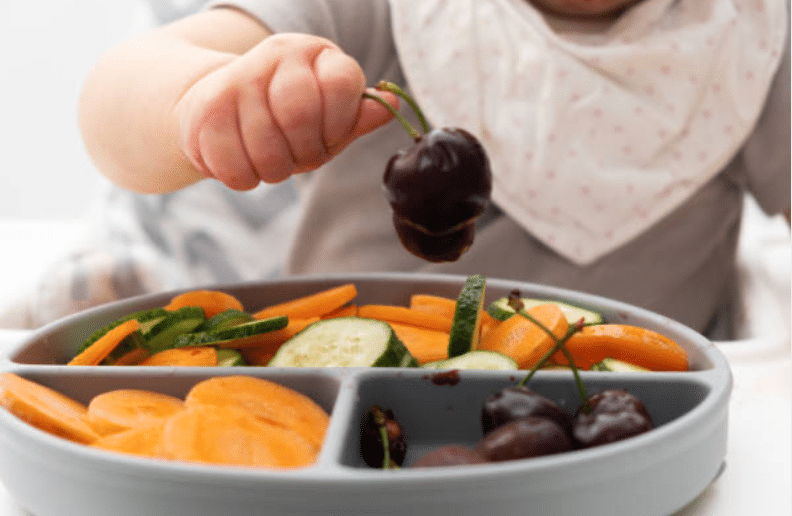
First, what is baby-led weaning? It is an alternative method of feeding using soft, small pieces of food that are cut into safe shapes to avoid the risk of choking. Here’s a quick link that provides a great visual. The idea of baby-led weaning is to allow the baby to grasp and feed themselves. There are many benefits of blw.
It can help babies work on fine motor skills, like hand-eye coordination. It can help reduce picky eaters as they are introduced to a wide variety of food. It can help mitigate fussy eaters by offering different textures. It can also save you money on store-bought pureed food, that is, if you have the patience to make your own homemade baby food.
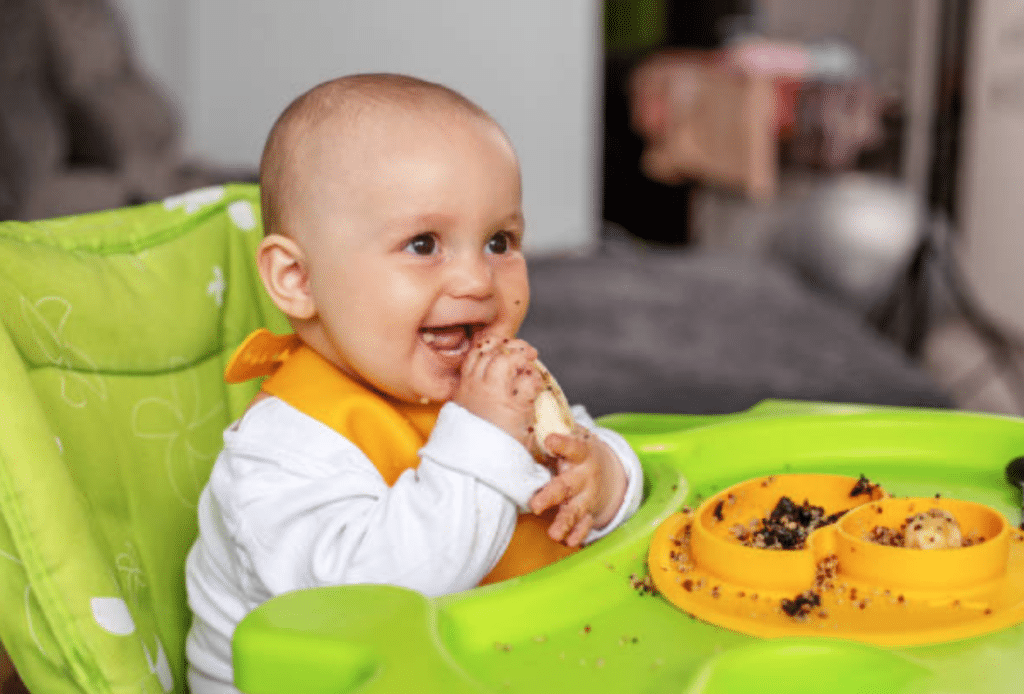
Usually, babies are ready to start eating solid foods at around six months of age. My daughter’s pediatrician gave me the okay to start purees at around four months. I used a baby food delivery service that offered a variety of flavors and textures like curry, gravy, and soft fruits. By five months, she was eating avocados, yogurt bites, and green beans.
Signs Baby is Ready
So you’re probably asking, is my baby ready? There are a few signs to look for. First things first, the baby must be able to sit upright in a high chair. They also need to be able to keep their heads upright while in the sitting position for long periods of time. Once those skills are mastered, look for signs that the baby is interested in what the rest of the family eats.
Try offering some small mashed food and see if they stop pushing it out of their mouth. They may be ready to join you at mealtime, especially if they seem hungry between their infant feeding times. It is important to remember that introducing new foods is an additional food source, and you will still need to continue feeding infant formula or breast milk.
Getting Started
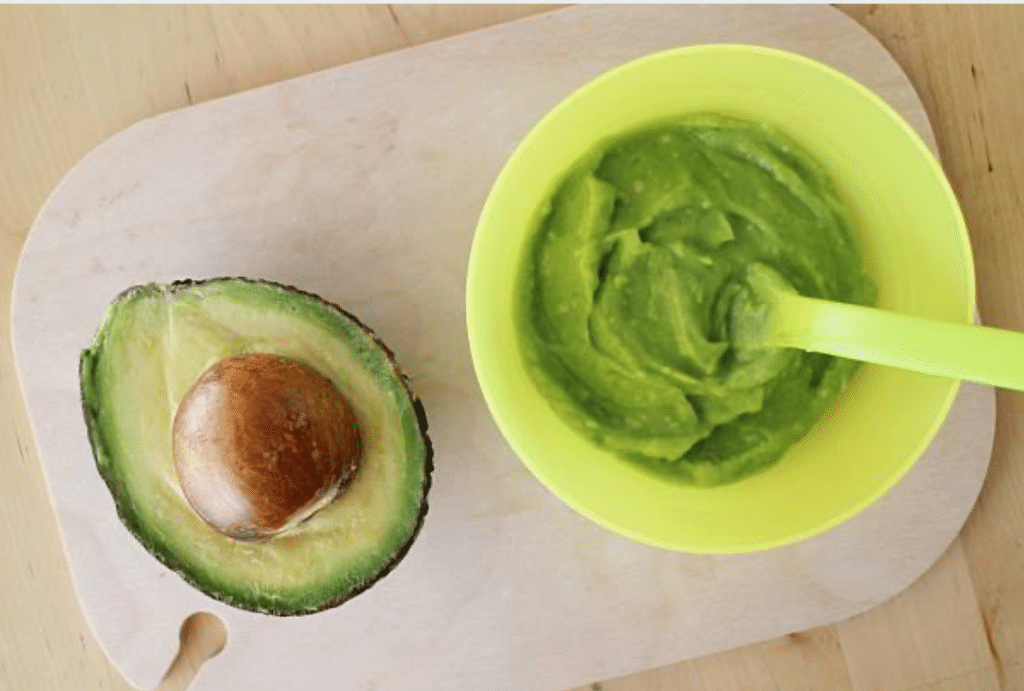
So you got the okay from your pediatrician, tarped the kitchen floor, and ready to dish up some solid finger foods. Below, we will guide you through some different foods that are great starting points. There are numerous online resources available as well. We like this essential guide by babyledfeeding.com. If you’re a Kindle reader, you can download a free ebook called Simple & Safe Baby-Led Weaning. However, if you are short on time, we have you covered.
Helpful and Affordable Products
When it comes to feeding your baby during that first year of their life, there are many fun and affordable products that can help with this messy journey. I warn you, you will see so much food end up on your baby and, unfortunately, the floor. But unlike our parents or grandparents, we have the internet. One of the good things about the internet is you can order and reorder everything you need to help relieve some of the stress and mess. Here are just a few of our top favorites:
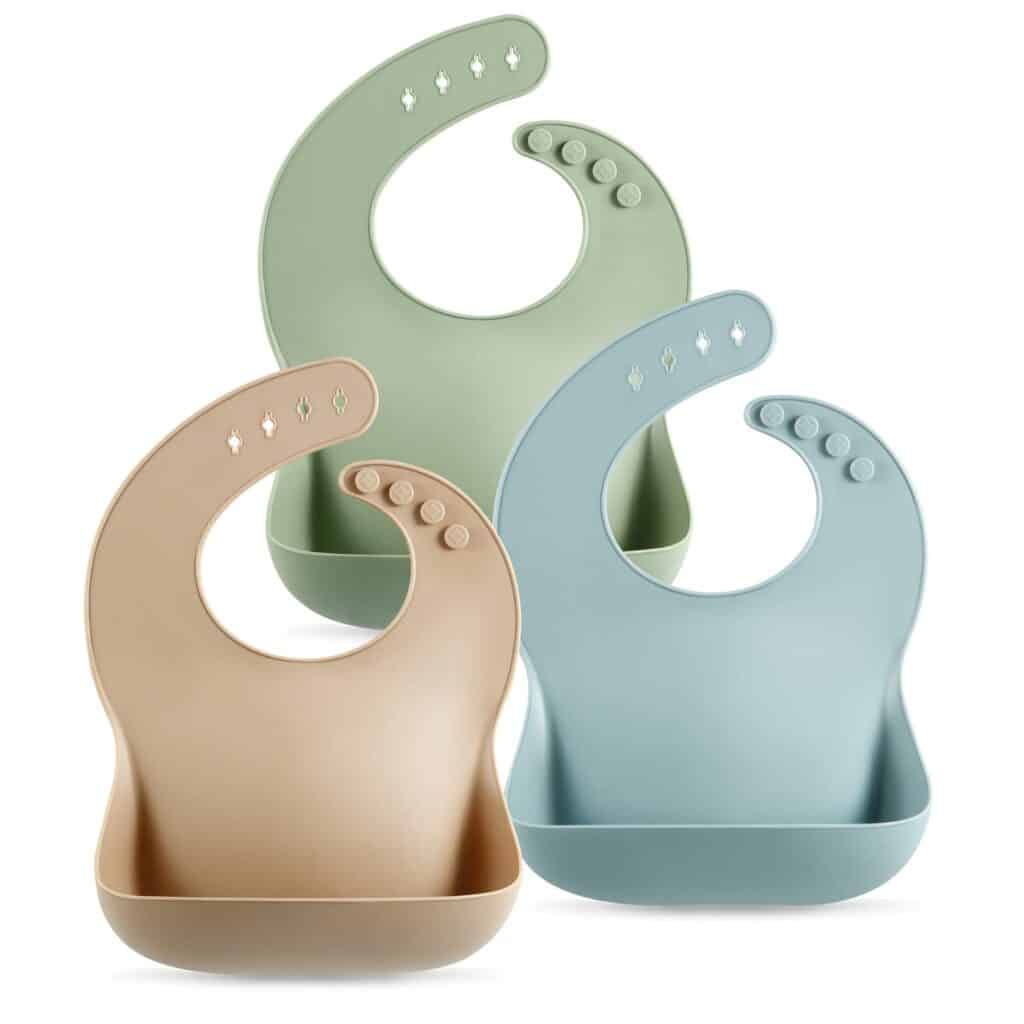
- Silicone baby bibs – These are easy to clean and offer a pocket to help catch food. They last a long time and can be used with the next baby.
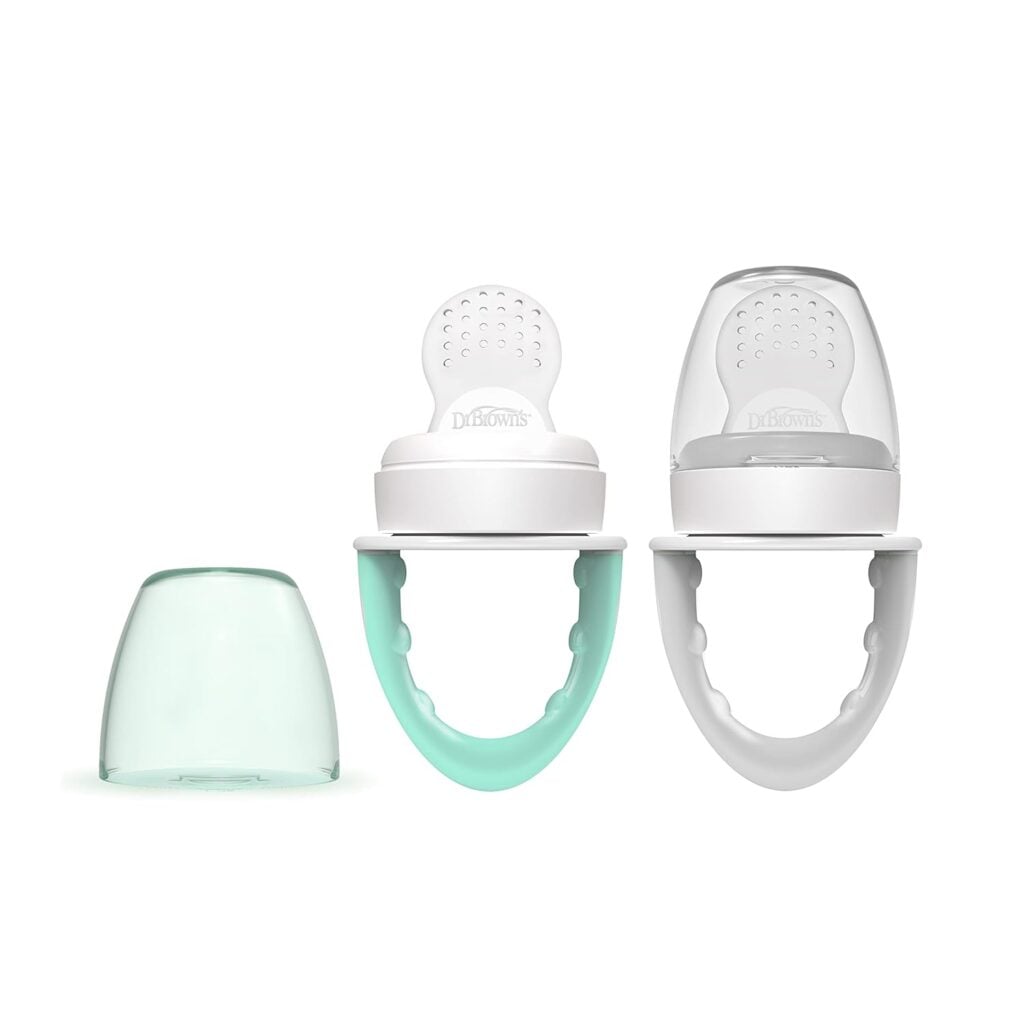
- Baby feeder pacifiers – Smash up some bananas, avocados, or peas; these food pacifiers help babies feed themselves and make trying new flavors super easy.
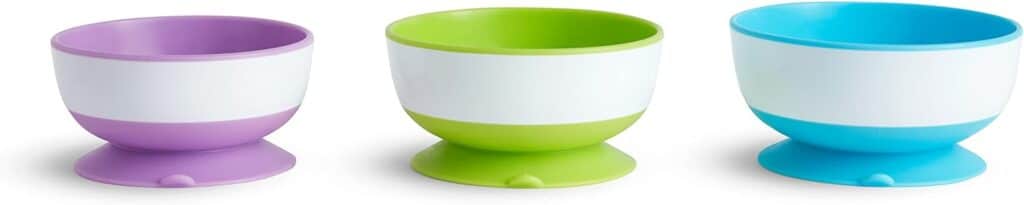
- Suction bowls and plates – When your baby has graduated from the food pacifier, you can try some suction plates and bowls. These help prevent your baby or toddler from knocking their food on the floor.
- Portable high chair – Are you getting ready to take a family vacation or heading out to eat? A portable high chair is lightweight and easy to install on any table. It is more sturdy than most restaurant chairs and super easy to clean.

- High chair floor mat – A floor mat can help with clean-up. You can buy a sturdy one to keep at home or a lightweight one that folds up for travel. They even make disposable ones.

Preparation and Tips
You’ve researched, purchased a few fun products, and are ready to start. Below are some quick tips to remember when getting ready to let your baby explore their first solid foods.
- Clean all surfaces
- Wash your hands
- Ensure cooked food is soft and not too hot
- Offer fruits that are soft and ripe
- Feed clean, no need to season or sweeten the food
- Be sure to remove peels, pits, seeds, etc.
- Cut any round foods in quarters, cut other foods into sticks
- Serve small portions and let them go at their own pace
- Avoid hard foods
- Offer foods in an open cup or cut them up and lay them out on the highchair
Baby-Led Weaning First Foods
Below is a list of the best first foods to start with. These are complementary foods in addition to their formula milk or breast milk. This list is for informational purposes only and is in no particular order. Refer to your child’s pediatrician for dietary guidelines and food safety advice.
Fruits
Most any fruit is great to start with. Below is a list of some of the common choices:
- Soft foods like cooked apples, pears, peaches
- Bananas cut long ways
- Raspberries cut in half
- Blueberries cut in quarters
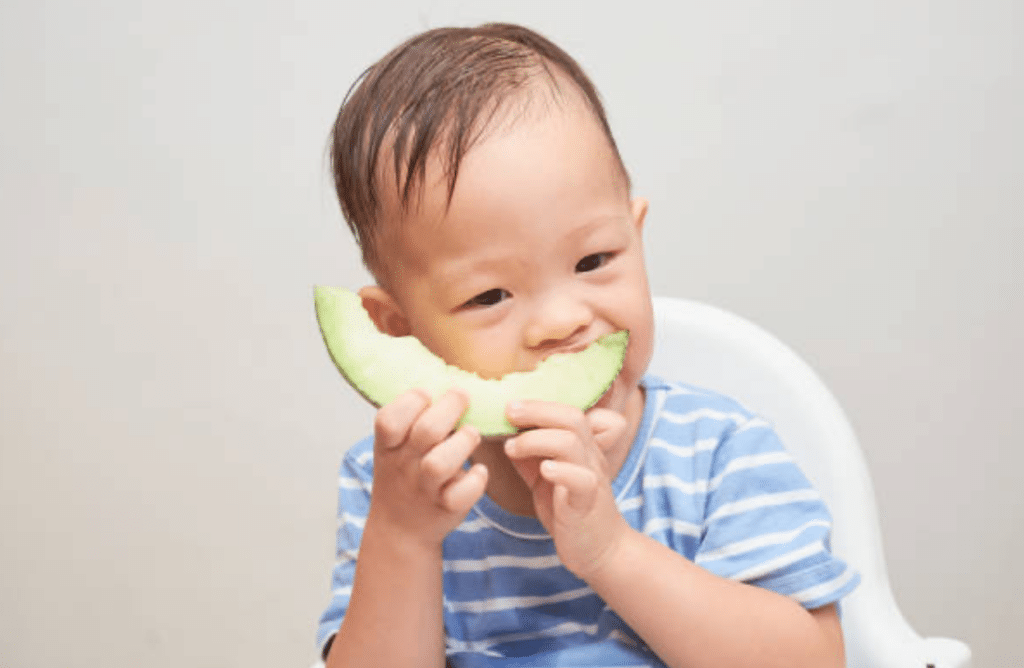
- Seedless watermelon cut into finger size pieces

Veggies
Like fruits, you’ll want to cook or steam some of the harder vegetables so they’re soft. Some of the popular vegetables for BLW are:
- Carrots that are steamed and cut into sticks or mashed
- Green beans steamed as is
- Broccoli steamed
- Cauliflower steamed
- Thinly sliced tomato
- Sweet corn
- Avocado
- Baked sweet potatoes or squash fries

Proteins
Proteins are great for meeting babies’ nutritional needs. Depending on where your baby is in the baby-led weaning process, you can offer whole or smaller pieces of food.
- Fish is an iron-rich food that is soft and easy for babies to gum
- Scrambled eggs are another soft protein
- Dairy products such as shredded cheese are full of beneficial fats
- Beans and lentils are another great source of protein
- Pressure-cooking chicken, beef, pork, or lamb are all good options
- For younger children, you can offer meatballs and firm tofu
Grains
- Brown rice
- Baby rice mixed with breastmilk or formula
- Barley
- Whole grain pancake strips
- Toast strips
- Baked oatmeal
- Whole wheat pasta

Food Allergies
In recent years, pediatricians have recommended offering allergenic foods when introducing solids. This is a good idea when there is a family history of a specific food allergy or eczema. The most common foods that can cause allergic reactions are dairy, eggs, peanuts, and fish. Studies have shown the earlier you introduce these foods, the less impact they will have on your young children later in life.
Pediatricians recommend introducing these foods around 4 to 6 months or when they show signs of readiness (see above). 4 to 6 months is when the baby’s digestive system is learning from each food. It is also recommended that you continue to offer a variety of these foods because each food will impact the immune system differently.

A good start to introducing allergenic foods is to start with very small amounts of lower-risk foods like cereal. If your child is at risk of having severe food allergies due to family history, consult your pediatrician before introducing the next level. Baby food charts can help track and document which foods have been introduced and when. It is good to wait two to three days before introducing another highly allergenic food.
Below are some ideas for introducing allergenic food. Regardless of your feeding method, there are several ways to introduce these foods.
- Peanuts – Warm up and add peanut butter to baby food or on a stick of toast
- Eggs – Chop up boiled eggs or scrambled eggs
- Dairy – Shredded cheese or yogurt
- Fish – Steamed fish or shellfish
- Wheat – Whole wheat pancakes, pasta or toast
- Soy – Small sticks of tofu
Here are a few tips to share when going through this process. Try to have two adults present to help monitor any reactions. Some warning signs of a food allergy are diarrhea, vomiting, hives, rash, cough, or wheezing. Some of these symptoms can occur immediately or a couple of hours after ingesting the food. Because of this, monitor your baby for 2 hours after feeding and avoid introducing new foods before bedtime.
The more severe signs requiring medical attention are trouble breathing, loss of consciousness, and hoarseness. Regardless of severity, keep track of the reactions and consult your pediatrician.
Baby-Led Weaning by Age
There are various online resources available that offer recommendations on what to feed your baby at what age. As mentioned before, look for signs that your baby has developed the important skills needed to start solids. Are they able to sit in an upright position? When introducing new tastes, is your baby’s gag reflex occurring less? And yes, did your pediatrician say starting with solids is okay? Below are some suggested foods for each age group. Again, all babies are different, and it is up to you and your comfort zone.
4 to 6 Months
Not only is every baby different, but so is every parent. The first few months can be stressful, so we suggest some very safe and popular foods to start with. These age ranges must also be adjusted if you have a premature baby. Please consult your pediatrician.
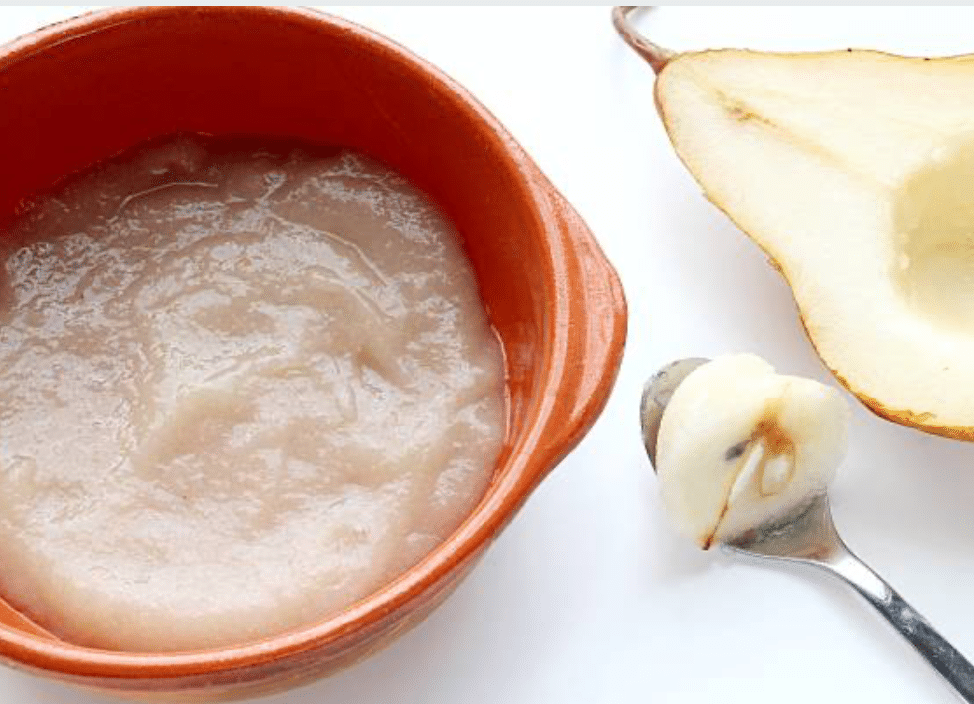
- Purees – There are generally three stages of purees if you choose to go this route initially. Store-bought baby foods will have suggested ages on their jars. As the baby gets older, you can move to a more thicker puree like yogurt, baby rice, and grains.
- Whole Pieces of Food—When you and your baby are ready, you can begin offering soft chunks of food. As mentioned before, make sure they are cut appropriately to prevent a choking hazard. You can start with fruits or single vegetables.
6 to 8 Months
If you haven’t already started, it’s baby-led feeding time! It’s time for some fun! You can get creative with the list of foods we mentioned above or let the baby partake in family meal time. Scrambled eggs and toast for breakfast is a great staple. Be sure to cut the toast into small sticks for your baby. How about a chicken avocado salad or sandwich for lunch? Put some of that boiled chicken and avocado on your baby’s plate. Finally, dinner time. Salmon, broccoli, and some macaroni noodles with shredded cheese is a great meal that everyone will enjoy.
9+ Months
By now, you’ve got the hang of it. You know what your baby likes and dislikes. Children’s tastes change as they get older, so keep introducing and reintroducing various foods. Be sure to watch for those baby teeth to come in and stay on top of brushing to prevent tooth decay. We love these little brushes from Amazon; they’re easy to use and great for helping your little one learn how to brush.
Conclusion
Deciding when to start introducing solids is a personal choice that depends on your baby’s readiness and your comfort level. It is usually recommended to begin at six months of age; however, some babies may be ready earlier. Always consult with your pediatrician to discuss when to start baby-led weaning and how to ensure your child’s nutritional values are being met. Every baby is different; there’s no rush to move on to solids. Just remember to enjoy these moments. The days may be slow, but the years go by fast!
Disclaimer
The information provided in this article is for informational purposes only and should not used as medical advice. Always consult your pediatrician or healthcare provider before deciding about your baby’s feeding and development.